
One challenge we face time and time again is building high performing teams for delivery. A lot of the time, project teams have never worked together before. The textbook says they need to go through forming, storming and norming before they can perform. Or do they?
What high performing teams have in common
That model comes from Tuckman, in 1965. The workplace has changed a great deal since, particularly with technology, and newer research is challenging it. What recent research keeps pointing to isn’t a set of stages. It’s three things: a clear purpose, relationships built on trust, and intentional collaboration.
If that’s right, a new team doesn’t have to wait its turn. It can be deliberate about purpose, trust and collaboration from the first week.
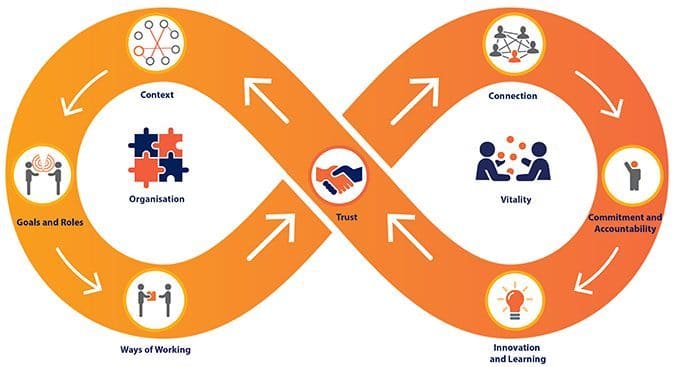
That’s where measuring comes in. We use the Vital Teams High Performance Model, an Australian-developed model that draws on the research of organisational psychologist Frank Donohoe. It describes seven indicators of team success, and it comes with a platform to track them:
- Anonymous team surveys, so people can be honest.
- Dashboards that show progress over time.
- A monthly Team Fitness Plan of small improvement activities and habits.
The platform can be licensed for a single team or across an enterprise.
Collaboration and engagement drive business value, but you can’t improve what you don’t measure. A team that tracks how it’s working can change how it’s working.
What makes your best team your best team?
Read the full article: Understanding high performing teams (opens in a new tab) on the Valiente Group website.
If your organisation is working through change, here’s how I can help.