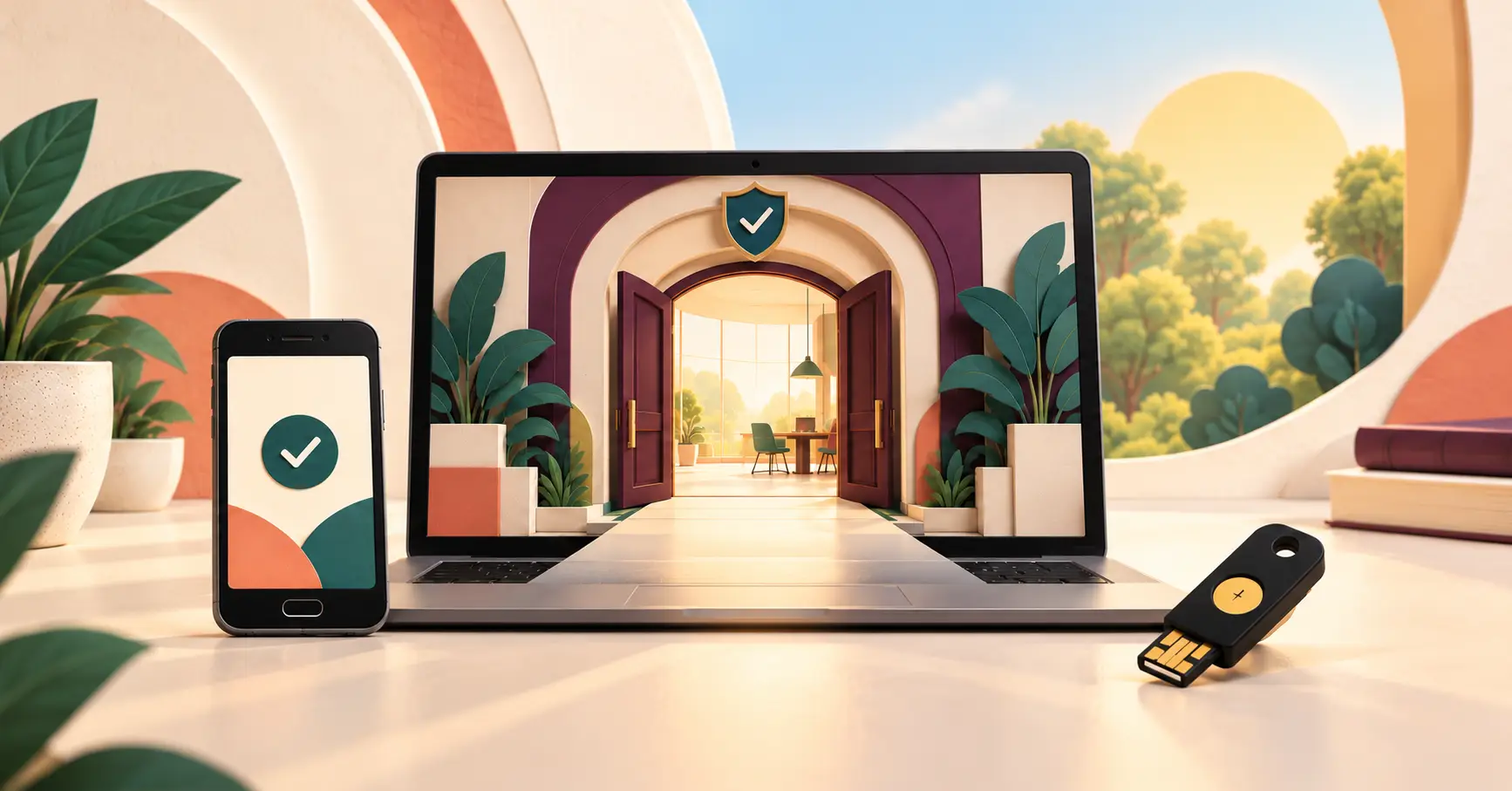
A personal phone can quietly become a condition of doing your job. Nobody announces that the rules have changed.
I support stronger authentication. But “we have MFA” is an incomplete statement when different methods give different protection, and different people can use them in very different ways.
In my LinkedIn article, I look at what it takes to roll out MFA without locking people out.
What the article covers
- Why a phone that works perfectly well can still fail an MFA requirement, and why “just update your phone” isn’t a solution
- What Microsoft is actually retiring in its SMS and voice timetable, and what it isn’t
- Why most organisations end up with more than one MFA app, and why change management and user experience belong in the design conversation from the start
- Why approving a prompt from your smartwatch doesn’t make it accessible (I use the watch prompt myself, because I can)
- Why MFA is an extra step, and also good digital hygiene worth saying out loud
My view
If an organisation requires a capability for work, it should fund a way to meet it. The alternative needs to be ready before enforcement starts.
Planning an MFA rollout and want a second set of eyes on the design, communications or pilot? Get in touch through Valiente Group.
Read the full article: Enabling MFA without locking people out (opens in a new tab), published on LinkedIn by Lesleigh Ross. Sources are listed in the article.
If your organisation is working through change, here’s how I can help.