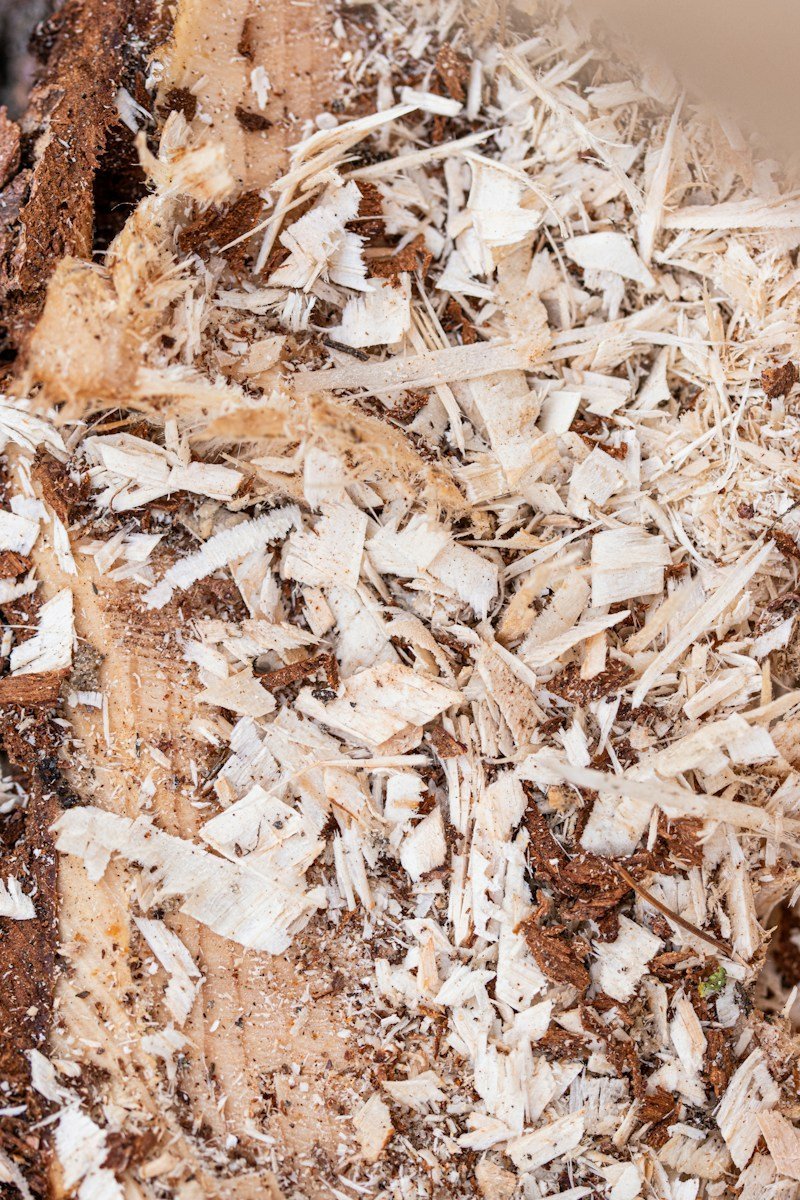
Sawdust in grated cheese is a claim I’ve seen shared with a lot of outrage and not much checking.
The short version is that it’s a myth. What’s actually in many bags of pre-grated cheese is cellulose, labelled in Australia as “anti-caking agent (460)” or simply “cellulose”. It’s purified plant fibre, a flavourless powder that stops the shreds clumping together.
Why people think there’s sawdust in grated cheese
Trees contain cellulose, and I suspect that’s where the rumour started. Add a click-hungry headline and you have a story that travels well. But plant fibre processed into a fine powder isn’t the same as sawdust from a mill floor.
Is cellulose in grated cheese safe?
I went looking, and the most useful source I found was a 2018 re-evaluation of celluloses by the European Food Safety Authority. My reading of it is that it found no safety concern at current levels of use and no need for a daily limit. The post links to the paper, and I’d encourage you to read it rather than take my paraphrase as gospel.
Cellulose isn’t absorbed, but some forms may be fermented by gut bacteria. That’s my own reading, not the review’s finding. If you bloat easily, it’s worth noticing how you go with fibre-type additives.
Check the label if you’re counting carbs
Some brands use starch instead of cellulose as the anti-caking agent. Starch adds carbs, so if you’re eating keto or low carb, the nutrition panel is the thing to check.
Pre-grated cheese is also the low-spoon option. If grating a block means standing, gripping and washing up a grater, buying it already done is a perfectly good decision. No sawdust required.
Read the full post on No Spoons to Cook (opens in a new tab)
Do you buy your cheese grated, or is that a hill you’ll die on?
Full recipes and food guides live on No Spoons to Cook, the food site Kerry Kinross and I run.