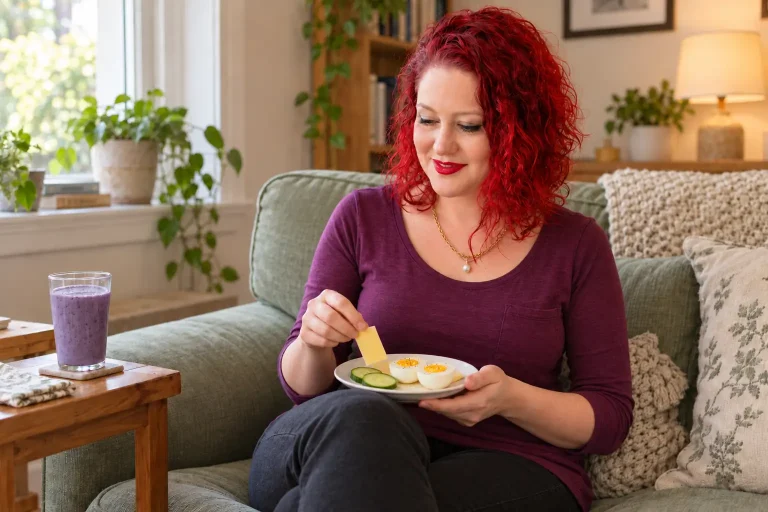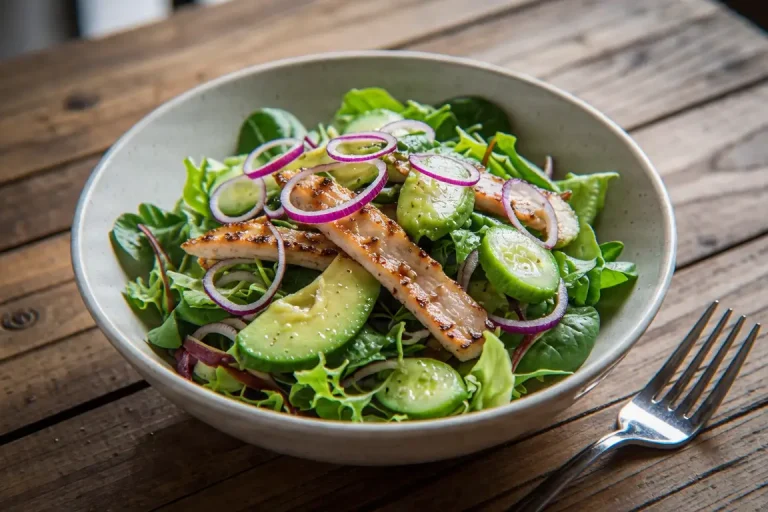
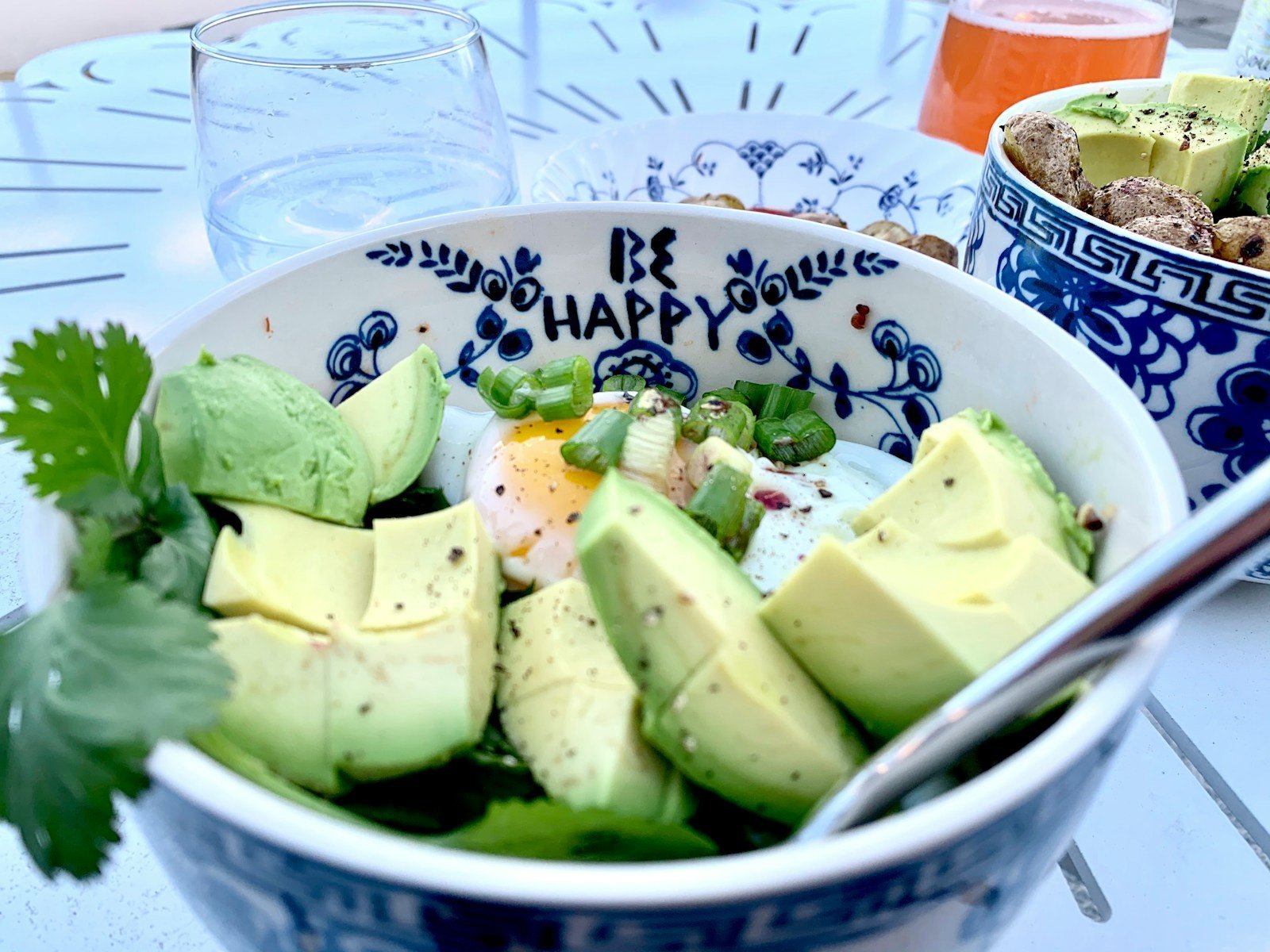
Keto and pain management is a topic where enthusiasm runs well ahead of the evidence. I’ve eaten keto since 2020, I live with CRPS, and I still think it’s worth being careful.
Keto is a way of eating, not a treatment. It’s high fat, moderate protein and very low carb. I describe the evidence for it as interesting, early and not a cure.
What the research on keto and pain management shows
Most of the research on keto and pain is in rodents. A few mouse and rat studies, published between 2021 and 2024, report less touch-triggered and spontaneous pain. A 2023 mouse study looked at how ketones might affect sensory nerves. None of that is proof it works in people, and CRPS-specific human evidence is thin.
Several mechanisms get suggested, including omega-3 fats, the endocannabinoid system and nerve function. Some are plausible and some are hypotheses. The effects of omega-3s on CRPS pain are, honestly, unknown.
What’s solid and what isn’t
It’s well established that fat helps absorb the fat-soluble vitamins, but that isn’t evidence for pain relief. Staying full longer is a practical benefit, not a pain mechanism. Cutting processed foods is worth noticing, but there’s no evidence it changes pain on its own.
My experience
I noticed improved energy and less brain fog, and for a while less pain, until one particular food triggered a flare. I dived in headfirst and in hindsight made things harder for myself.
If you’re curious
Browse before you commit. Swap ingredients, keep a food diary, use convenience foods and talk to your GP or an Accredited Practising Dietitian first. Keto can change how medications and some conditions behave. As a rule of thumb, ketosis starts under about 50 g of carbs a day, but it varies.
Read the full post on No Spoons to Cook (opens in a new tab)
Have you tried changing how you eat for pain? What did you notice?
More on living with CRPS: my CRPS and advocacy page.